Why Local Businesses Must Segment Their Email Lists
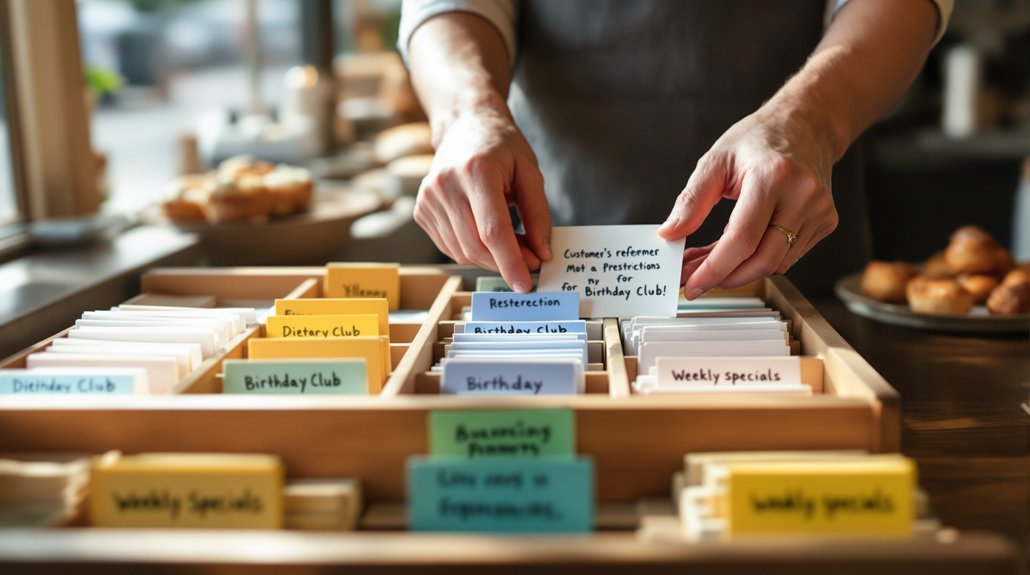
Segmenting your email list allows you to send personalised messages that match each subscriber's specific needs, location, and relationship with your business. When you divide customers into targeted groups based on demographics, purchase history, and geographic proximity, you'll see dramatically better results—segmented campaigns achieve 14-100% higher open rates and can triple your click-through rates compared to generic broadcasts. By addressing actual customer needs rather than sending one-size-fits-all emails, you'll strengthen relationships, reduce wasted marketing spend, and discover real opportunities for growth that generic messaging leaves hidden.
Key Points
- Segmentation enables personalised messaging that resonates with specific customer groups, driving higher open rates and stronger engagement than generic broadcasts.
- Geographic targeting allows local businesses to create location-specific offers and messaging that increase urgency and relevance for nearby customers.
- Behavioural insights from purchase history help identify high-value customers for VIP treatment and re-engage dormant accounts with targeted campaigns.
- Automated triggers based on customer actions, like cart abandonment emails, increase conversions without requiring constant manual management efforts.
- Segmented campaigns achieve 14-100% higher open rates and triple click-through rates while reducing wasted spending on irrelevant messaging.
What Email List Segmentation Means for Local Businesses
Email list segmentation is the practice of dividing your subscriber base into smaller, targeted groups based on specific characteristics like purchase history, location, interests, or engagement levels.
You're no longer trapped sending generic blasts to everyone. Instead, you'll deliver personalised messages that actually resonate with each segment's needs.
This means higher open rates, better conversions, and stronger customer relationships. You'll break free from wasted marketing dollars and irrelevant messaging.
How Customer Demographics Shape Your Local Marketing Messages
Your customers' demographics directly influence which marketing messages will resonate with them and drive action.
By segmenting your email list based on age groups, geographic proximity to your business, and income levels, you'll craft targeted campaigns that speak to each segment's specific needs and preferences.
This approach guarantees you're not sending retirement community promotions to college students or luxury service offers to budget-conscious shoppers.
Age-Based Messaging Strategies
Everyone knows that a 22-year-old responds differently to marketing messages than a 65-year-old, yet most local businesses blast the same generic email to their entire list.
Break free from this lazy approach. Younger customers want text-speak, emojis, and mobile-first content. Older segments prefer formal language and detailed information.
You'll triple your engagement by matching tone to generation. Create separate campaigns highlighting speed and convenience for millennials, while emphasising quality and tradition for boomers.
Stop treating your list like a monolith. Segment by age ranges and watch your open rates soar while competitors keep wondering why nobody reads their emails.
Geographic Radius Targeting
While you're spending energy perfecting your subject lines, customers three miles away receive the same message as those thirty miles out—and that's killing your conversions. Break free from one-size-fits-all campaigns by tailoring messages to geographic zones.
| Distance | Message Focus | Offer Type |
|---|---|---|
| 0-5 miles | Same-day service | Flash deals |
| 6-15 miles | Weekend planning | Standard promotions |
| 16-30 miles | Destination appeal | Premium experiences |
You'll escape wasted ad spend when downtown customers see "Stop by today" while suburban audiences receive "Plan your visit." Distance dictates urgency. Segment accordingly, watch engagement soar.
Income Level Considerations
Location tells you where customers are, but income reveals what they can afford—and which messages will resonate.
You're not locked into one-size-fits-all marketing anymore. Segment your list by income brackets to break free from generic campaigns that waste money.
Send luxury service promotions to high-income subscribers while offering budget-friendly options and payment plans to price-conscious customers.
You'll stop alienating people with irrelevant offers. Match your messaging to their financial reality, and you'll see higher engagement and conversions.
Smart segmentation means you're finally marketing with precision, not guesswork—and that's true marketing freedom.
Geographic Targeting Within Your Service Area
If your business serves multiple neighbourhoods or postcodes, you're missing opportunities by treating all subscribers the same.
Break free from generic messaging by targeting specific areas with relevant offers. Promote your downtown location to city subscribers while highlighting parking availability to suburban customers. Send snow removal specials to northern neighbourhoods experiencing storms.
Ditch the blanket approach—deliver location-specific offers that acknowledge what makes each neighbourhood unique and drive meaningful engagement.
Feature neighbourhood-specific testimonials that resonate locally. This precision builds trust and drives action because you're acknowledging their unique circumstances.
Geographic segmentation liberates you from one-size-fits-all campaigns, letting you speak directly to each community's distinct needs and preferences.
Segmenting by Purchase History and Customer Loyalty
Your customers' purchase behaviour reveals who drives your revenue, who needs encouragement to return, and who's slipping away.
By analysing transaction patterns, you can identify your most valuable buyers, create targeted rewards for loyal customers, and craft re-engagement campaigns for those who haven't purchased recently.
This segmentation approach transforms generic promotions into personalised offers that match where each customer stands in their journey with your business.
Identifying High-Value Buyers
While every customer matters to your local business, not all customers contribute equally to your bottom line. High-value buyers drive revenue and deserve specialised attention.
You'll want to identify them by tracking:
- Purchase frequency and recency – Who's buying most often and recently?
- Average order value – Which customers consistently spend more per transaction?
- Lifetime customer value – Who's generated the most revenue over time?
Once you've identified these valuable customers, create exclusive segments offering VIP perks, early access, and personalised recommendations.
This targeted approach maximises ROI while strengthening relationships with your most profitable patrons.
Rewarding Repeat Purchasers
Loyalty deserves recognition, and repeat purchasers represent the backbone of sustainable local business growth.
You'll maximise revenue by creating exclusive segments for customers who buy frequently. Send them early access to new products, special discounts, or VIP experiences that aren't available to one-time buyers. This approach breaks free from generic marketing that treats everyone identically.
Track purchase frequency and total spend to identify your most valuable customers. Then craft personalised campaigns that acknowledge their commitment.
You're not just rewarding transactions—you're building genuine relationships with people who've already chosen you repeatedly. That's authentic community-building, not corporate manipulation.
Targeting Dormant Accounts
Every customer who stops buying tells a story worth investigating. You'll reclaim revenue by identifying inactive subscribers and crafting targeted re-engagement campaigns. Don't let these relationships fade into obscurity.
Your dormant account strategy should include:
- Win-back emails offering exclusive discounts – Remind them what they're missing with compelling incentives
- Personalised messages referencing past purchases – Show you remember their preferences and value their history
- Clear opt-out options – Respect their autonomy; forcing unwanted emails destroys trust
Track engagement metrics ruthlessly. If they're not responding after three attempts, remove them. You're building a community of active participants, not collecting dead weight.
New Customers vs. Repeat Customers: Different Messages for Different Stages
Because new customers haven't yet formed a relationship with your business, they need different messaging than people who've already bought from you multiple times.
New customers require educational content that builds trust and demonstrates value. Send them welcome sequences, product guides, and foundational information about your business.
New customers need education and trust-building, not sales pressure—welcome them with value-focused content that demonstrates what you actually offer.
Repeat customers already trust you—they're ready for exclusive offers, loyalty rewards, and insider updates.
They'll respond to VIP treatment and early access to new products. Stop wasting their time with basic introductions.
Segmenting these groups lets you speak directly to each customer's actual needs, eliminating irrelevant messages that drive unsubscribes.
Behavioural Triggers That Help You Send Timely Emails
When a customer abandons their cart at 2pm on Tuesday, sending them a reminder three weeks later is worthless.
You need automation that responds to real behaviour instantly. Behavioural triggers free you from manual email management while dramatically increasing conversions.
Set up triggers for these critical moments:
- Cart abandonment – Send recovery emails within one hour
- Website browsing – Target customers viewing specific products or services
- Purchase milestones – Automate follow-ups after first, third, or tenth purchase
These automated sequences work while you sleep, turning customer actions into revenue opportunities without constant oversight.
Measuring Results: How Segmentation Improves Your Open and Click Rates
Automated triggers mean nothing if you can't prove they're working. Track your segmented campaigns against your broadcast emails—you'll see the difference immediately.
Segmented lists consistently deliver 14-100% higher open rates and triple the click-throughs. Why? You're speaking directly to people's actual needs, not guessing.
Stop guessing what your audience wants—segmentation lets you speak directly to their actual needs and watch engagement soar.
Monitor which segments perform best, then double down on what's converting. Your most engaged customers deserve different content than cold prospects.
Test ruthlessly. Measure relentlessly. Break free from spray-and-pray marketing that wastes your time and money.
Real data reveals real opportunities for growth you've been missing.
Simple Tools and Strategies to Start Segmenting Today
You don't need expensive enterprise software to segment your email list effectively. Most platforms you're already using offer built-in segmentation features that'll set you free from one-size-fits-all campaigns.
Start with these straightforward strategies:
- Tag by purchase history – Group customers who've bought specific products or services
- Segment by location – Target neighbourhoods, postcodes, or areas within your service radius
- Track engagement levels – Separate active subscribers from those who haven't opened emails recently
These simple tactics transform your marketing from generic broadcasts into personalised conversations.
You'll connect authentically with customers while spending less time on campaigns that don't convert.
FAQs
How Often Should Local Businesses Clean and Update Their Email Lists?
You should clean your email list at least quarterly, removing inactive subscribers and updating contact information. This liberates you from wasted effort, guarantees you're reaching engaged customers, and keeps your deliverability rates strong.
What Is the Ideal Email List Size for a Small Local Business?
Forget chasing thousands of unengaged subscribers—you'll thrive with just 100-500 genuinely interested locals who actually open your emails. Quality crushes quantity when you're building real community connections that drive foot traffic and sales.
Can Segmentation Work if My Email List Has Fewer Than 500 Subscribers?
Yes, you'll see results even with fewer than 500 subscribers. Start with simple segments like new customers versus regulars, or location-based groups. You're building smart habits that'll pay off as you grow.
Should I Segment My List Before or After Running My First Campaign?
Segment before you hit send. Picture casting a wide net that catches nothing versus spearing exactly what you're after. You'll break free from generic messaging that gets ignored and start landing emails people actually open.
How Do I Handle Subscribers Who Fit Multiple Segment Categories?
You'll want to tag them for all relevant segments, then use priority rules to determine which emails they receive. Send your most valuable or time-sensitive content first, and let their engagement guide future segment placement.
In Summary
You've got the roadmap—now it's time to stop treating your email list like one-size-fits-all and start carving it into meaningful segments. Think of it as moving from a megaphone to a conversation. You'll watch your open rates climb, your customers engage more deeply, and your local business stand out in crowded inboxes. Start small, test what works, and refine as you go. Your segmented emails won't just reach people—they'll resonate.